

Some games ask you to save the kingdom. Others ask you to grow turnips before sunset. Pocket Spouse looks at both ideas, places them under one pixelated roof, and adds an important third responsibility: making sure your spouse is properly equipped before wandering into a forest filled with dangerous wildlife.
Developed and published by first-time indie developer Seth Fasnacht, Pocket Spouse is a 2D farming simulation and role-playing game with a strong focus on player-led exploration. It offers crops, animals, crafting, fishing, hunting, local residents, guilds, beaches, and a large castle market town. However, it does not want those activities to feel like a rigid list of daily chores. Instead, the game gives players an island home and asks them to decide how each day should unfold.
That freedom sits at the centre of the experience. There are no traditional quest markers directing every step. Therefore, players must explore, speak to people, investigate new locations, and decide which opportunities deserve their attention. It is a deliberately old-fashioned idea, yet it gives Pocket Spouse a clear identity among games that often guide players toward every objective.
A New Home With More Than a Vegetable Patch
Pocket Spouse begins with a life-changing decision. Players choose from eight possible spouses and move into a new luxury homestead with surrounding farmland. From there, the island opens into a wider world containing forests, open beaches, shops, guilds, a harbour, and a large castle market town.
Although farming provides the domestic foundation, the game stretches well beyond the boundaries of the homestead. Players can grow crops, raise animals, feed chickens, gather resources, cook meals, craft useful items, and tend their market. Consequently, the farm is not simply a decorative home base. It supports the larger adventure and provides materials that can help during future journeys.
Moreover, the economic side of the game lets players turn everyday work into profit. Crops and collected resources can contribute to the household routine, while the market adds another layer of responsibility. As a result, a quiet day of farming still serves the wider progression system.
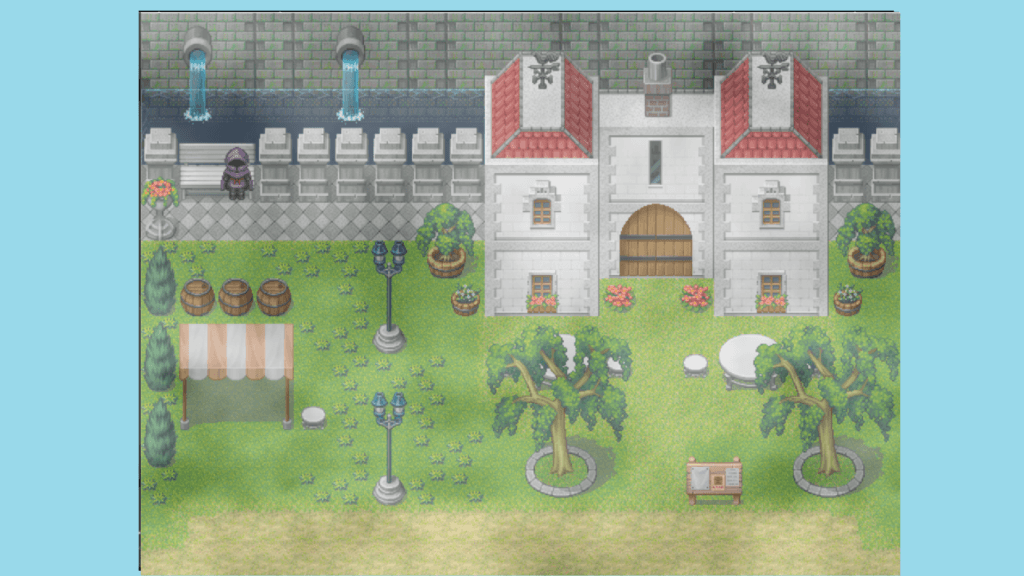
However, players are never restricted to agricultural work. They can leave the crops behind, visit the local shops, spend a night at the inn, explore the harbour, or enjoy a day at the luxury beachside spa. They can also seek a royal audience, which gives the otherwise humble farming routine a surprisingly grand alternative.
Pocket Spouse Leaves the Map in Your Hands
The lack of quest markers is one of Pocket Spouse’s defining design choices. Many modern games fill their maps with icons, arrows, glowing paths, and numbered objectives. By contrast, Pocket Spouse expects players to follow their curiosity.
Which direction should you explore? Which ability should you improve? Who should you speak with? Should you work on the farm, visit a guild, or search the deep woods? The game intentionally leaves those decisions to the player. Therefore, progress is not presented as a straight road with carefully placed signs.
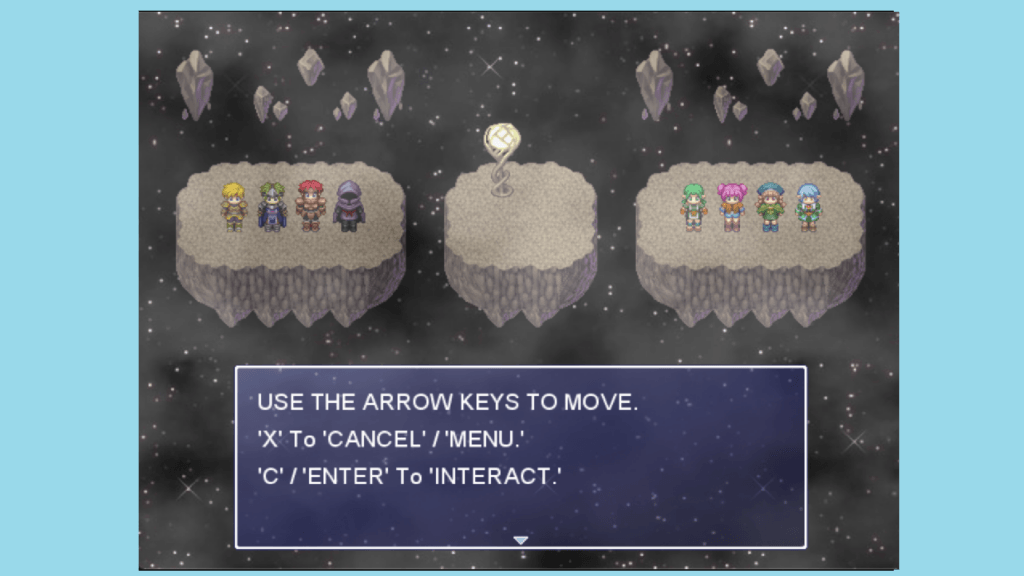
This approach can make discoveries feel more personal. A new location is not simply another icon removed from a map. Instead, it is something found through observation and experimentation. Likewise, speaking with a local resident may feel more meaningful when the game has not already announced that person as the next required objective.
Of course, a system like this asks players to be more attentive. Those who prefer tightly organised mission logs may need time to adjust. Nevertheless, players who enjoy wandering without constant instructions may appreciate the additional sense of freedom.
Marriage Requires Communication and Better Equipment
The chosen spouse is more than a portrait attached to the farming interface. Players can level their spouse, improve skills, and equip useful gear before confronting the island’s enemies and wildlife. Therefore, character progression is directly connected to exploration.
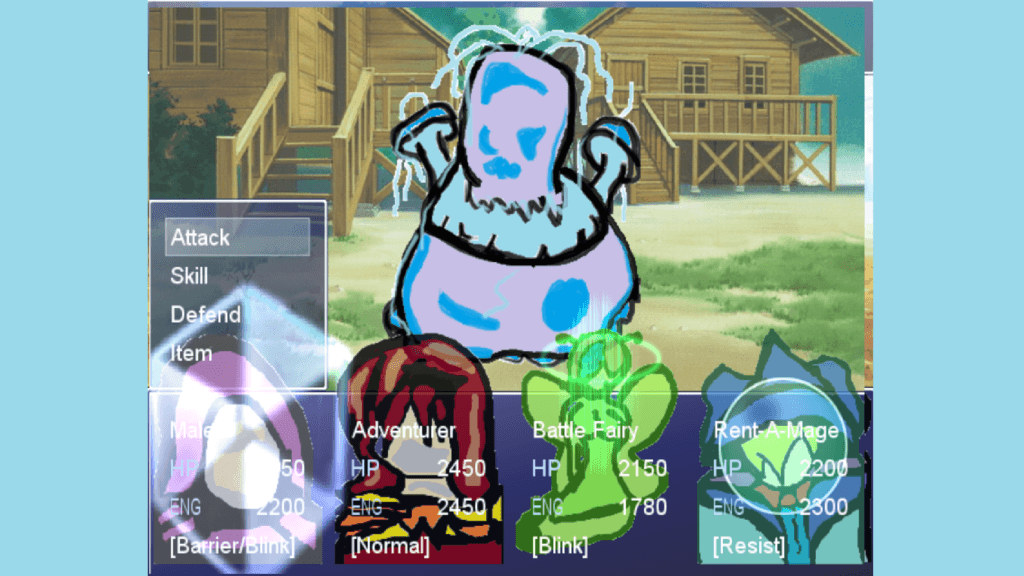
Pocket Spouse uses a tactical, turn-based RPG combat system. Battles are presented as part of the island adventure rather than an unrelated minigame. Players must consider equipment, skills, and preparation before entering more dangerous areas.
The official material also hints at threats beyond ordinary wildlife. More exotic dangers can appear around the island, while unusual trinkets may be available through local merchants. Additionally, the Hunters Guild has its own fabled bestiary. This suggests that curious players may find more than common woodland animals during their travels.
However, the game does not reveal every mystery in advance. That restraint suits its exploration-focused structure. The island is presented as a place filled with surprises, treasures, and hidden dangers. Consequently, uncertainty becomes part of the appeal.
From Open Seas to Castle Streets
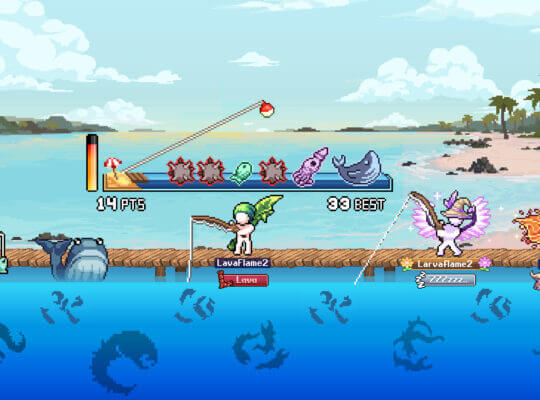
The range of confirmed activities gives Pocket Spouse an unusual mixture of domestic routine and open-ended adventure. Players can fish the open seas, hunt local game, explore sunny beaches, investigate deep forests, and visit the island’s guilds. Meanwhile, the castle market town provides a more populated destination filled with shops and local characters.
Because these activities exist alongside farming and crafting, the game can move between very different moods. One part of the day might involve harvesting crops and feeding chickens. Later, the same day could involve searching the forest or preparing for tactical combat.
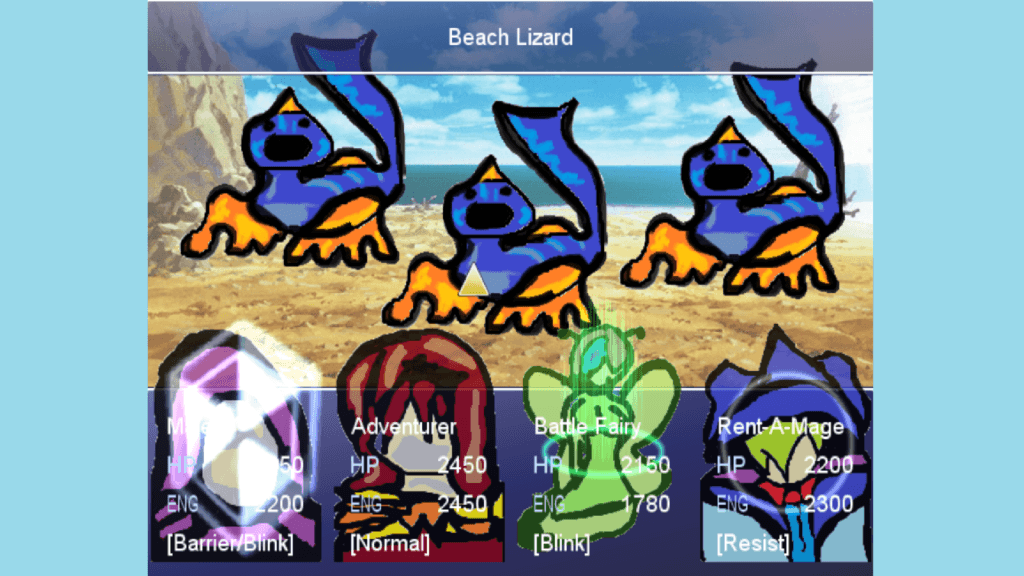
This contrast is important. Pocket Spouse is not trying to remove the ordinary routines associated with farming simulators. Instead, it uses those routines as a calm foundation for exploration. Farming, gathering, and market management create a familiar rhythm. However, players can interrupt that rhythm whenever the call of the harbour, forest, castle, or beach becomes too tempting to ignore.
A Personal Indie Project
Pocket Spouse is the work of Seth Fasnacht, who described himself in the game’s press release as a first-time indie developer and lifelong video game fan. That background gives the project a particularly personal character. Rather than presenting a heavily polished corporate interpretation of the farming genre, Pocket Spouse arrives as an individual developer’s attempt to combine favourite ideas from simulation, adventure, and role-playing games.
Visually, the game uses colourful 2D pixel art for its homestead, natural environments, settlements, and characters. Its presentation is straightforward and recognisably independent. Nevertheless, that direct quality fits the game’s emphasis on curiosity and player choice.
Pocket Spouse launched on Steam for Windows on September 11, 2025. It is listed as a single-player adventure, indie, RPG, and simulation title. The game also includes one Steam achievement and supports Steam Family Sharing. Furthermore, a free demo is available through the Steam store, allowing players to explore part of the experience before purchasing the full release.
The Winterfields Expands the Journey
The original island is not the end of the journey. Pocket Spouse also has a downloadable expansion titled Pocket Spouse: The Winterfields.
According to the official website, The Winterfields introduces an entirely new area with additional challenges and mysteries. Therefore, players who enjoy the base game’s exploration can continue their adventure in a different region.
According to the official website, The Winterfields introduces an entirely new area with additional challenges and mysteries. Therefore, players who enjoy the base game’s exploration can continue their adventure in a different region.
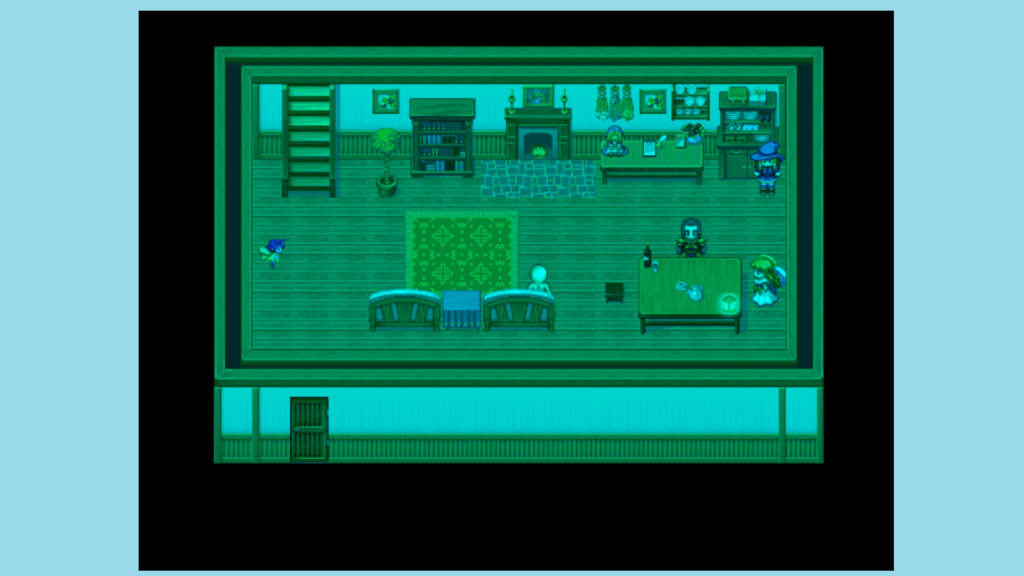
The expansion also reinforces the larger direction of the project. Pocket Spouse is not built solely around repeating the same farming schedule. Instead, new landscapes and discoveries form an important part of its identity.
Content and Technical Information
Pocket Spouse currently supports English for its interface. The Steam page also lists mild nudity in its mature content disclosure. Therefore, players should review the store information before purchasing if that content is a concern.
The listed Windows requirements are modest. The game requires 200 MB of available storage, 128 MB of memory, DirectX 10, and a minimum display resolution of 1024 by 768. The developer’s supplied technical notes also state that some players may need to install the RPG Maker XP RTP separately.
Players can find the game and its free demo on the official Pocket Spouse Steam page. Additional information is available through the official Pocket Spouse website.
For development news and announcements, players can follow Pocket Spouse on X. The game’s videos and trailers can also be found through the official YouTube link provided on its Steam page.
Final Thoughts
Pocket Spouse begins with the comfortable ingredients of a farming simulator, yet it refuses to remain behind the farmhouse fence. Crops, animals, crafting, and market management are all present. However, they exist beside tactical combat, island exploration, fishing, hunting, guilds, castle streets, and the possibility of a relaxing spa day after fighting the local fauna.
More importantly, the game trusts players to choose their own direction. The absence of quest markers means the island must be explored rather than processed as a checklist. Consequently, every forest path, local conversation, and unexpected discovery has the potential to feel more personal.
Its combination of married life, farming, and tactical adventure is certainly unusual. Nevertheless, that odd combination is precisely what makes Pocket Spouse interesting. It is a personal indie project that takes familiar farming RPG ideas and rearranges them into something stranger, freer, and more adventurous.
Just remember that romance alone may not protect anyone from the creatures in the deep woods. A successful marriage is important, but a well-equipped spouse is apparently even better.
Follow Pocket Spouse on X for game updates, development news, and future announcements.



1 Comment